Ocean Breath
Ocean Breath, known in yoga as Ujjayi Pranayama or the “Victorious Breath,” is a foundational breath practice that calms the mind, energizes the body, and anchors awareness in the present moment. Ujjayi means “victorious” or “expanding with power.”
It is called Ocean Breath because of the gentle wave-like sound created in the throat (glottis) as you breathe.
The breath is created by a gentle narrowing of the throat (glottis), producing a quiet ocean-like sound on both inhale and exhale.
This sound:
anchors awareness
regulates breathing
creates internal heat
quiets the mind
This rhythmic sound mirrors the ebb and flow of the ocean, making the practice both grounding and meditative.
quick overview
who it’s for
Anyone wanting to deepen presence, build internal warmth, or focus the mind. Ocean Breath is ideal for yoga students, meditators, and anyone who feels scattered and wants to reconnect inwardly.
when to practice
During yoga or mindful movement, before meditation, in moments when you need grounding, or anytime you want to strengthen the breath while calming the mind.
why it matter
Ocean Breath works by gently constricting the glottis (the area at the back of the throat) as you inhale and exhale through the nose. This creates a subtle, audible breath that engages both focus and flow.
Ocean Breath helps you move from distraction into presence.
With consistent practice, it can:
Increase focus and inner clarity
Calm and center a restless mind
Build gentle internal warmth
Improve breath control
Support mindful movement
Create a meditative state during activity
Strengthen diaphragmatic awareness
Help you stay present in transitions (physical and emotional)
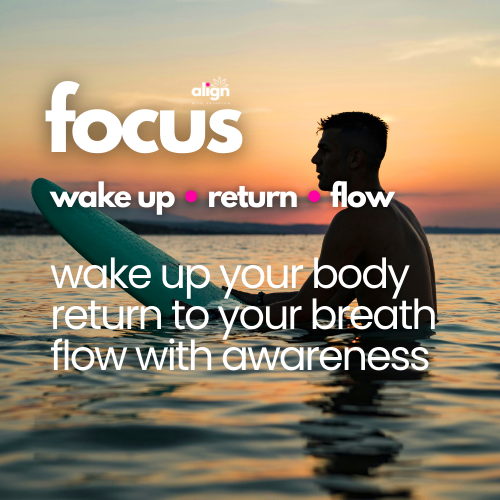
how to practice ocean breath
Find Your Seat • Sit comfortably with a tall spine or begin in a relaxed standing posture.
Inhale Through the Nose • Breathe slowly, drawing air deep into the lungs.
Gently Constrict the Throat • Imagine fogging up a mirror with your mouth closed. You’ll hear a soft, oceanic sound.
Exhale Through the Nose • Keep the throat slightly engaged, allowing the sound to continue as the breath flows out.
Continue the Rhythm • Maintain this steady cycle, letting the sound guide your attention.
tips for best results •
The sound should be soft and steady, not forced or loud.
Imagine you are breathing in and out through a small straw in your throat.
Keep the breath smooth, like a continuous wave.
Focus on the sound to maintain presence.
common benefits of ocean breath
focused mind •
The soft sound keeps the mind anchored and present.
inner warmth •
Ujjayi builds subtle heat that supports movement, circulation, and energetic uplift.
emotional grounding •
The slow, steady breath calms the nervous system and enhances emotional resilience.
mindful presence •
The ocean-like rhythm creates a natural meditative quality.
breath strength •
The gentle glottis restriction builds breath capacity and control.
safety notes
Keep the throat soft. The sound should be gentle, never harsh.
If your throat becomes dry or strained, release the restriction temporarily.
Not ideal during active respiratory flare-ups or sore throat.
closing thought
Ocean Breath is a powerful pathway to presence. Its soft, rolling sound brings the mind into focus while warming the body from within. A reminder to return, again and again, to your breath and your center.